Sri Lanka: A Journey Through History, Landscapes, and Timeless Culture
Discover Sri Lanka’s rich history, diverse landscapes, and refined travel experiences—from ancient kingdoms to misty highlands and pristine coastlines.
An Island Shaped by History and Nature
Set in the Indian Ocean, just off the southern coast of India, Sri Lanka is a destination where history, culture, and landscape are deeply intertwined. Despite its relatively small size, the island holds a remarkable concentration of UNESCO World Heritage Sites, ancient cities, and diverse ecosystems that have evolved over thousands of years.
For centuries, Sri Lanka was a key hub along major maritime trade routes, attracting merchants from Arabia, China, and Europe. This long history of exchange has shaped a culture that is both deeply rooted and richly layered, where influences blend seamlessly while maintaining a strong national identity.
Today, Sri Lanka offers travellers a rare opportunity to experience a destination where the past is not preserved behind glass, but continues to exist as part of everyday life.
Ancient Kingdoms and Cultural Legacy
Sri Lanka’s cultural heart lies within what is often referred to as the “Cultural Triangle,” home to some of South Asia’s most significant archaeological sites.
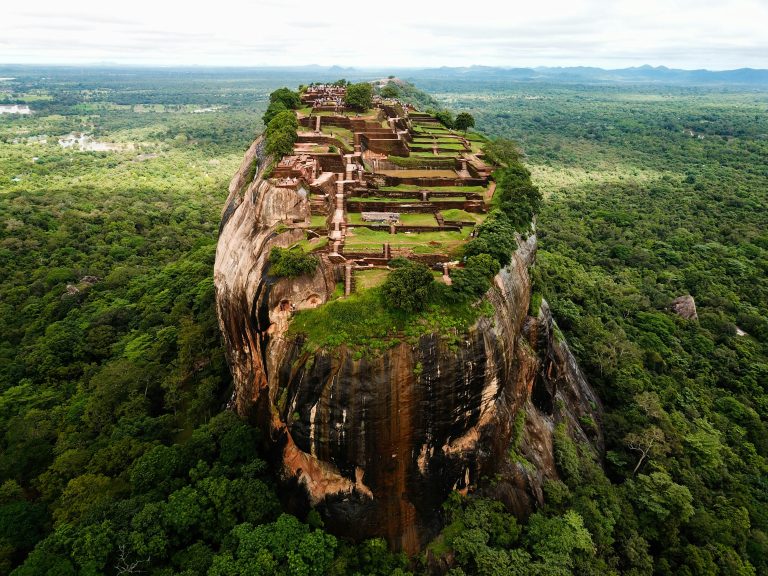
Among them, Sigiriya stands as one of the most extraordinary. Rising nearly 200 metres above the surrounding plains, this ancient rock fortress was built in the 5th century by King Kashyapa. Its advanced urban planning—including water gardens, frescoes, and mirrored walls—demonstrates a level of sophistication far ahead of its time.
Further south, the city of Kandy remains a centre of spiritual importance. It is home to the Temple of the Tooth Relic, one of Buddhism’s most sacred sites, where daily rituals continue to draw both worshippers and visitors. These traditions are not staged for tourism—they are living practices that reflect the island’s enduring cultural identity.
The Highlands: Landscapes Shaped by Colonial Legacy
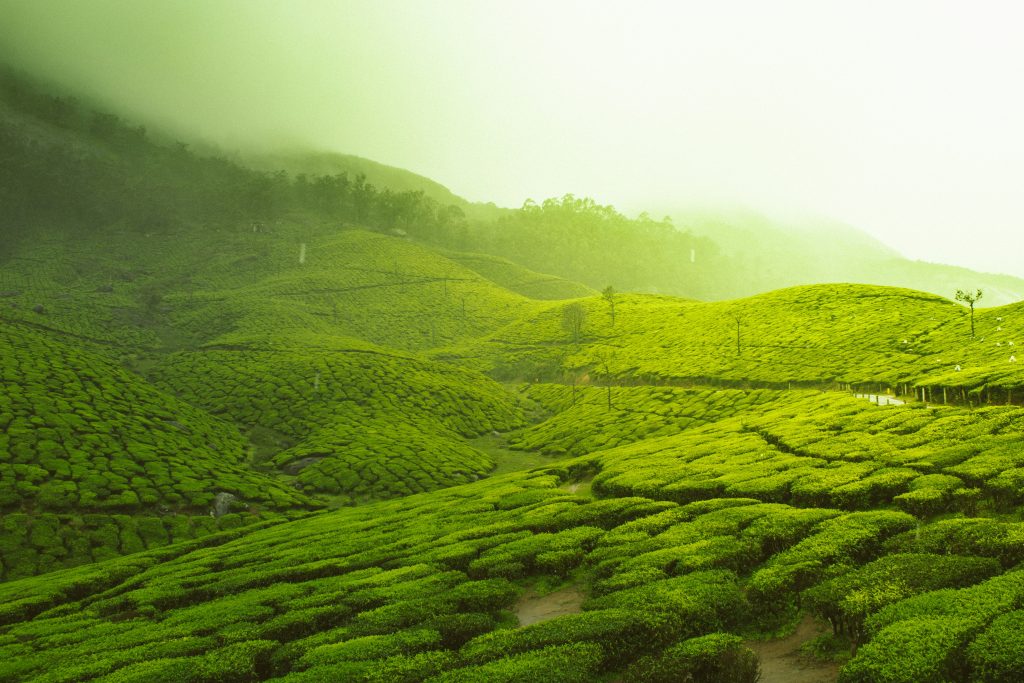
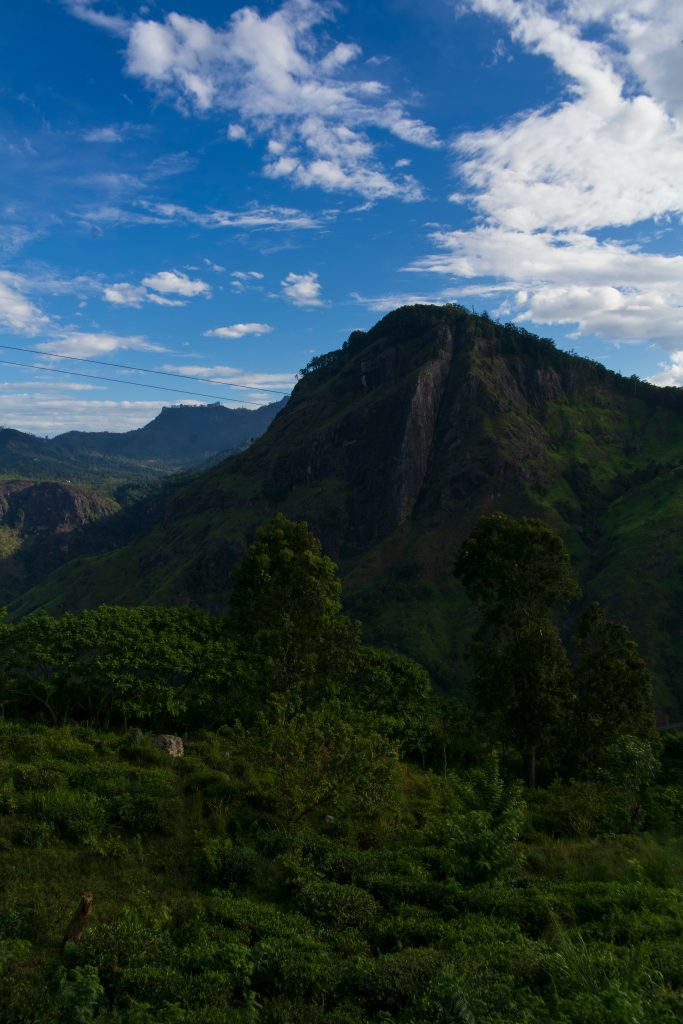
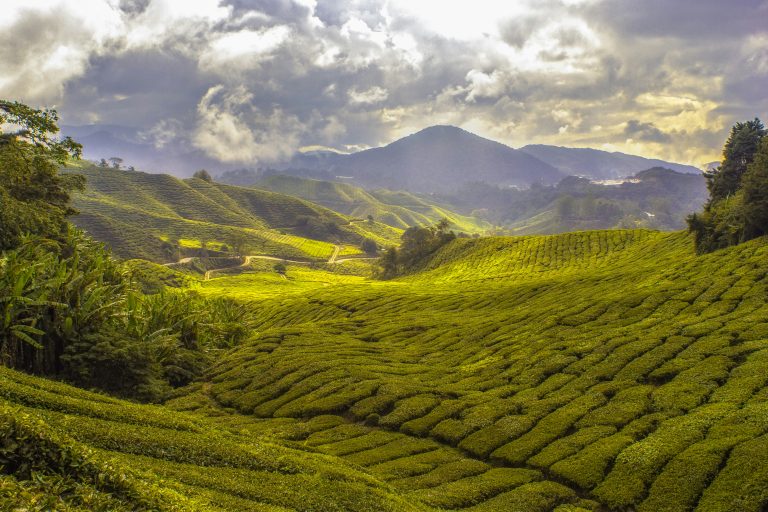
The central highlands of Sri Lanka present a striking contrast to the lowland plains. Here, the climate cools, and the terrain transforms into rolling hills covered in meticulously cultivated tea plantations.Tea was introduced during British colonial rule in the 19th century, and it remains one of the country’s most important exports. Regions such as Nuwara Eliya and Ella are defined by this legacy, where colonial-era bungalows, railway lines, and estates still shape the landscape.
Beyond their economic significance, these highlands offer some of the island’s most visually captivating scenery. Mist moves slowly across valleys, revealing layered hills and terraced fields that stretch endlessly into the distance. For travellers, the experience is as much about atmosphere as it is about place—quiet, elevated, and deeply immersive.
Wildlife and Biodiversity: A Natural Sanctuary
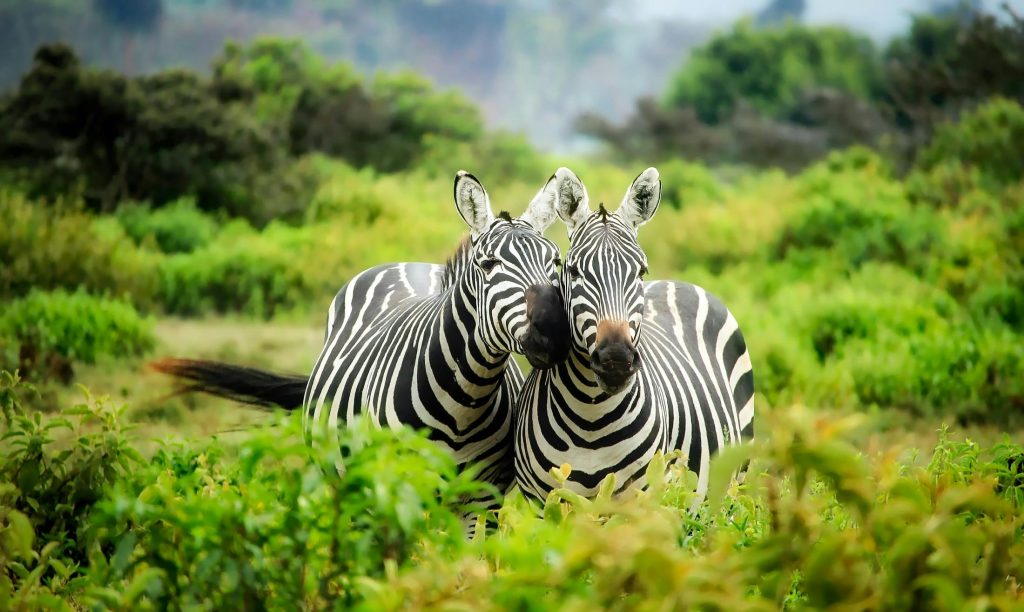
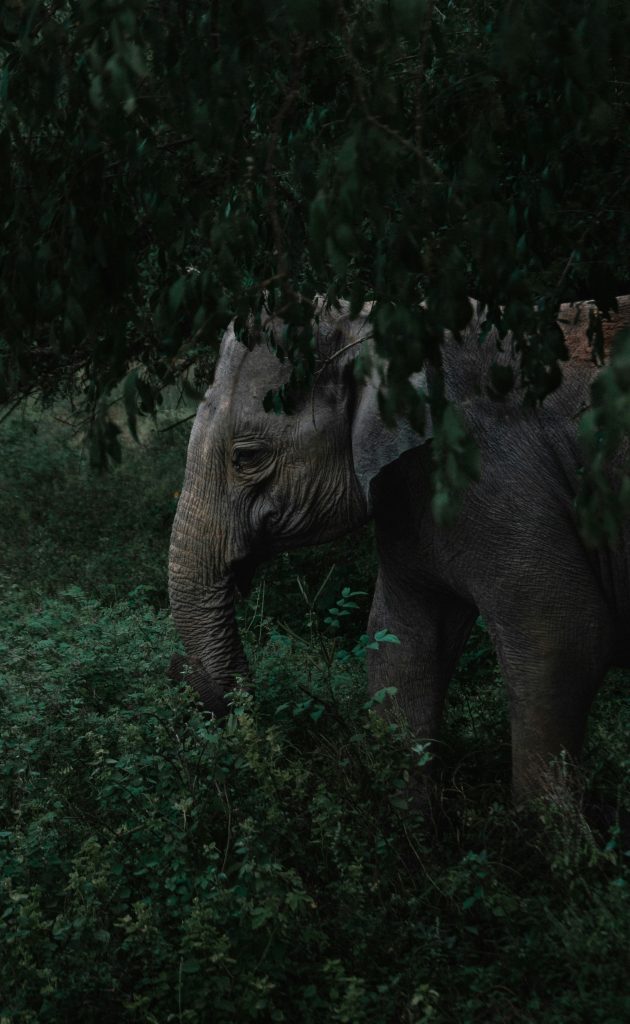
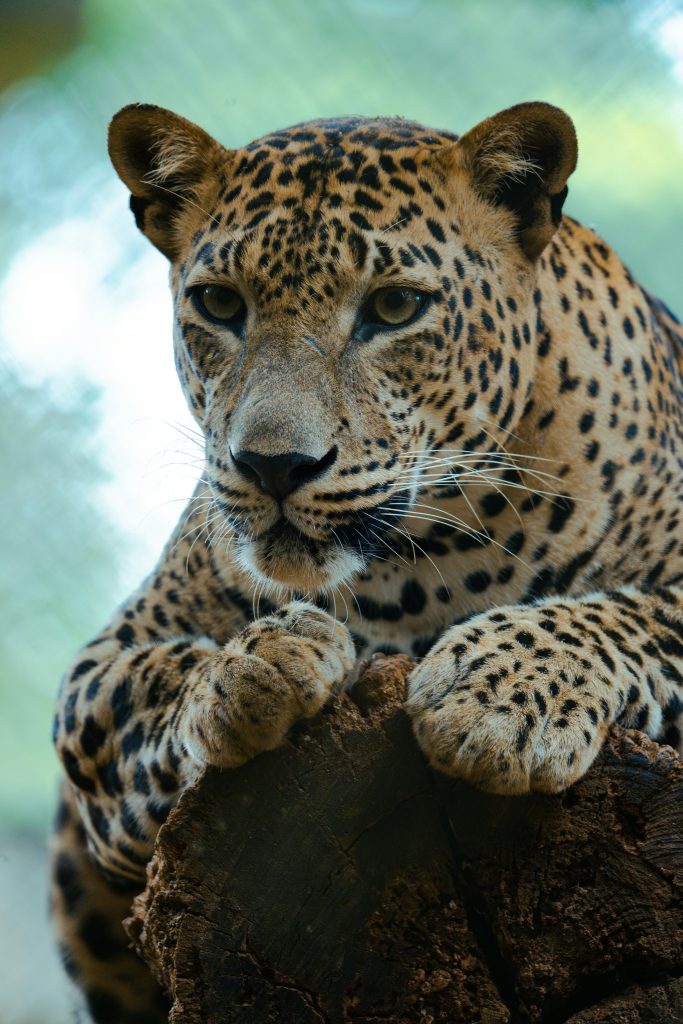
Sri Lanka is recognized as one of the world’s biodiversity hotspots, with an extraordinary range of wildlife concentrated within a relatively small area.lNational parks such as Yala and Udawalawe provide important habitats for elephants, leopards, sloth bears, and a wide variety of bird species. The density of wildlife, combined with accessible park systems, makes Sri Lanka one of the most rewarding safari destinations outside of Africa.
What sets these experiences apart is the diversity of ecosystems—dry forests, wetlands, and coastal lagoons—each supporting different species and behaviors. Safaris are not only about sightings, but about understanding the delicate balance of these environments and the conservation efforts that protect them.
The Southern Coast: Trade, Colonial Influence, and Coastal Life
Sri Lanka’s southern coastline tells a distinctly different story—one shaped not only by natural beauty, but by centuries of maritime trade, cultural exchange, and colonial ambition.Positioned along key Indian Ocean trade routes, this region was once a vital نقطة for merchants travelling between Asia, the Middle East, and Europe. Spices, gemstones, and textiles moved through these shores, attracting early Arab traders long before the arrival of European powers. The Portuguese were the first to establish a colonial presence in the 16th century, followed by the Dutch and later the British—each leaving behind architectural, cultural, and economic influences that continue to define the coastline today.
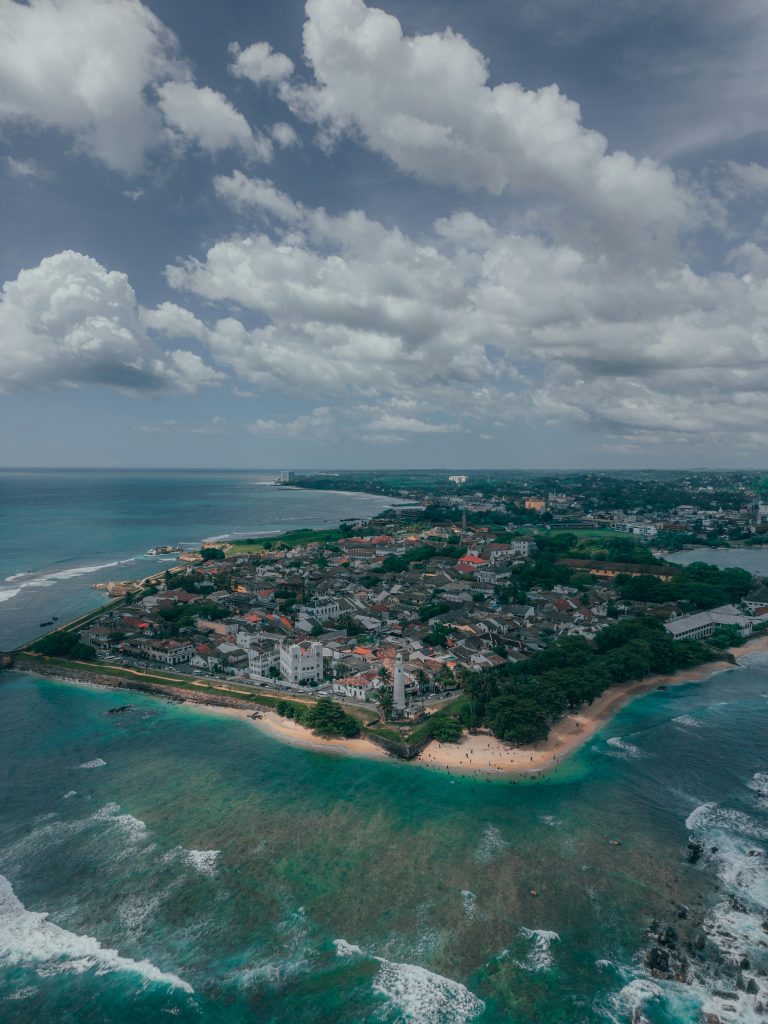
Nowhere is this layered history more evident than in Galle Fort. Originally constructed by the Portuguese in 1588 and extensively fortified by the Dutch in the 17th century, the fort stands today as one of the best-preserved colonial-era fortifications in Asia and a designated UNESCO World Heritage Site.Encircled by thick ramparts that overlook the Indian Ocean, the fort encloses a network of narrow streets lined with colonial villas, churches, mosques, and administrative buildings. Over time, these structures have been carefully adapted into boutique hotels, galleries, and cafés, allowing the area to retain its historical integrity while evolving into a vibrant cultural hub. Walking through Galle Fort offers a rare experience—where centuries-old architecture is not only preserved, but actively lived in.
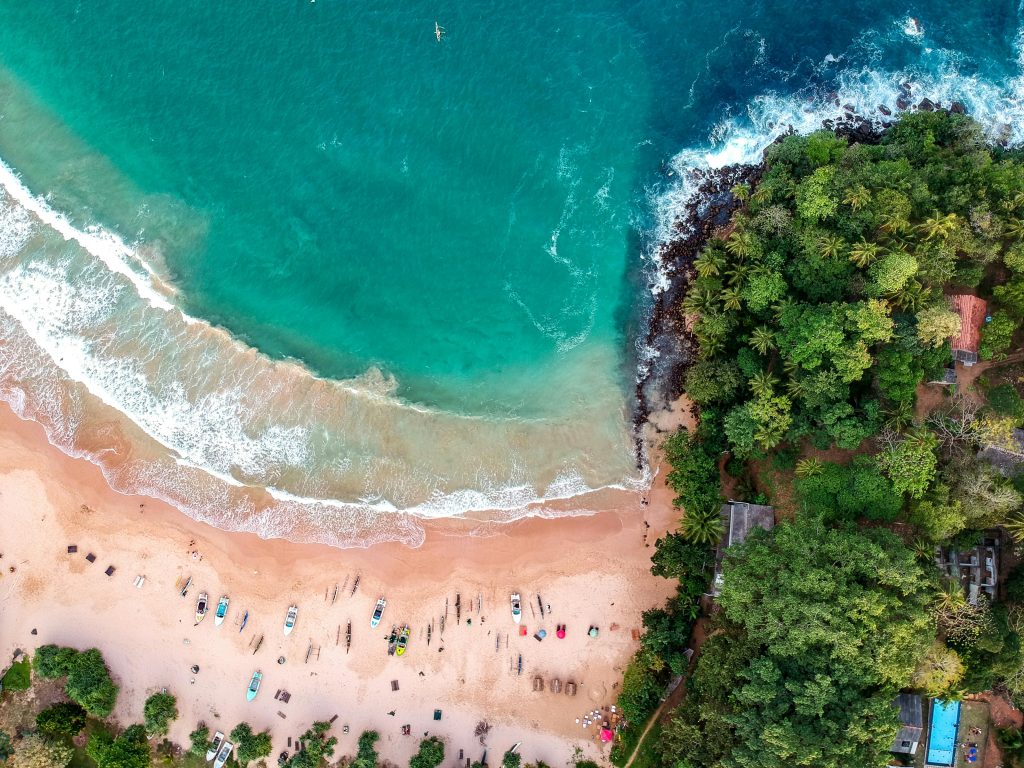
Beyond Galle, the southern coastline unfolds into a series of diverse coastal landscapes, each with its own character and rhythm. From the lively shores of Mirissa—known for its seasonal whale watching and crescent-shaped beaches—to the quieter, more secluded stretches of Tangalle, the region offers a balance between activity and retreat.Fishing remains an integral part of daily life along the coast, most famously seen in the traditional stilt fishermen, a practice that has become an enduring symbol of Sri Lanka’s maritime heritage. Early mornings bring a sense of quiet industry, as boats return with their catch and local markets begin to stir.
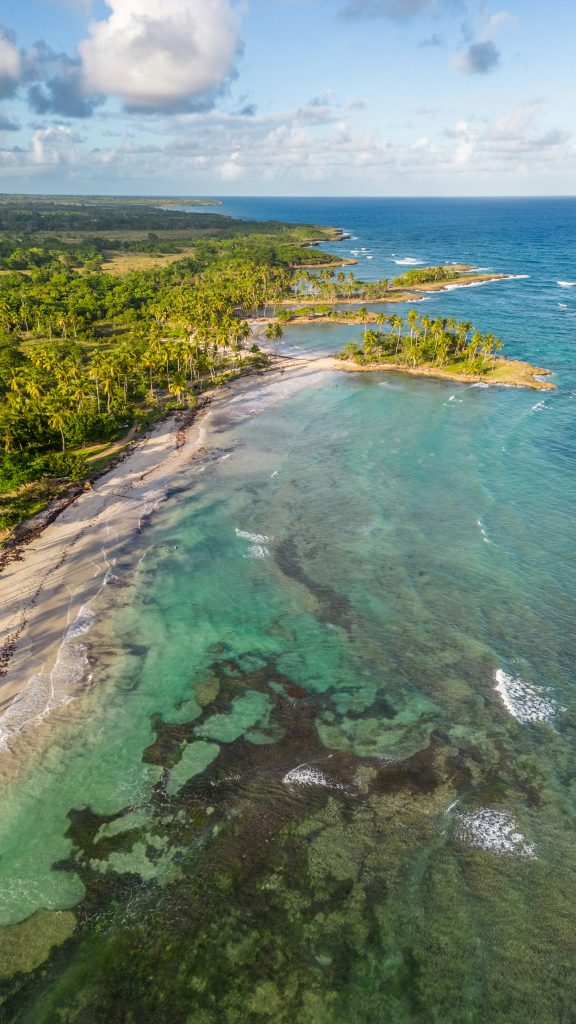
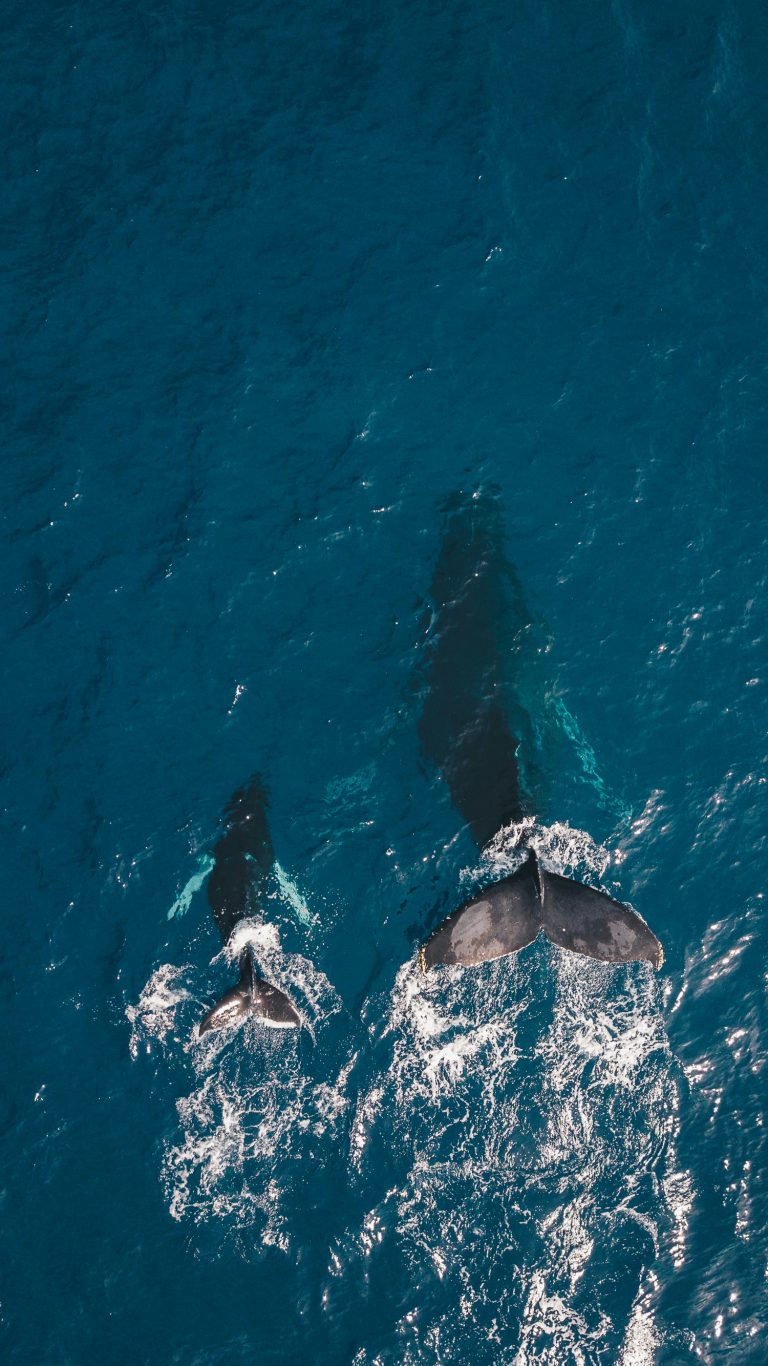
The waters off the southern coast are also among the best places in the world to observe blue whales and sperm whales in their natural habitat, particularly between November and April. These encounters add another layer of depth to the region, connecting travellers not only to history and culture, but to the vast marine ecosystems that surround the island.Despite its historical significance and natural richness, the southern coast maintains a distinctly unhurried pace. Days are shaped by the movement of the ocean, the warmth of the climate, and the gentle rhythm of coastal life. Palm-lined beaches stretch uninterrupted, sunsets unfold over the horizon, and time seems to slow—offering a sense of calm that contrasts beautifully with the cultural and historical depth of the region.
A Culinary Tradition Rooted in Geography and Culture
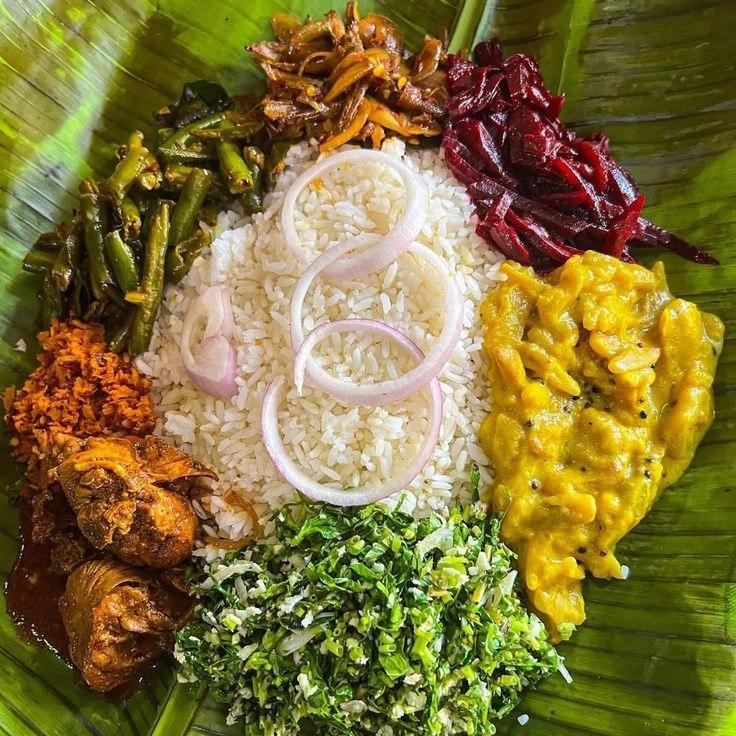
Sri Lankan cuisine reflects the island’s history, geography, and agricultural richness.At its core are ingredients such as coconut, rice, and an array of spices that have been cultivated and traded for centuries. Dishes vary significantly across regions, influenced by local produce, climate, and cultural traditions.From the complex layering of spices in traditional curries to the simplicity of freshly prepared seafood along the coast, the cuisine offers insight into daily life and regional identity. Meals are not only about flavor, but about connection—to land, heritage, and community.
Conclusion: A Destination of Depth and Discovery
Sri Lanka is not a destination defined by a single experience, but by the depth and diversity it offers within a compact journey.From ancient civilizations and spiritual traditions to dramatic landscapes and coastal tranquility, the island presents a continuous sense of discovery. Each region adds another layer, creating a travel experience that is both varied and deeply cohesive.
For travellers seeking more than just a change of scenery, Sri Lanka offers something far more meaningful—a journey through history, culture, and landscape that leaves a lasting impression.