Why the Dolomites and Milan Should Be on Your 2026 Travel List
Northern Italy is set to be one of the most exciting destinations in the world in 2026 — not just because it hosts the Winter Olympic and Paralympic Games, but also because of the remarkable experiences that stretch far beyond the competition venues. From the dramatic peaks of the Dolomites to the vibrant urban culture of Milan, this region delivers an unforgettable mix of nature, tradition, adventure, and food.
Two Iconic Destinations, One Unforgettable Year
In 2026, Italy makes history with the most geographically widespread Winter Games ever, anchored by two hosts: Milan, the northern metropolis known for its design, fashion, and culinary scene; and Cortina d’Ampezzo, the renowned Alpine resort town famed for its majestic mountain setting.
But whether or not you’re planning to attend Olympic events, the Dolomites and Milan offer reasons to schedule a trip that would stand on its own merits.
Most events will unfold in the Dolomites, a dramatic sub-range of the Alps distinguished by a landscape unlike anywhere else in Europe. Sculpted almost entirely from dolomite rock, these mountains rise in pale grey spires and jagged monoliths, their sheer faces appearing as though they have been carved straight from the earth itself. It is this rare geological character and arresting beauty that earned the Dolomite peaks UNESCO World Heritage status — a recognition reserved for places of truly exceptional natural significance.
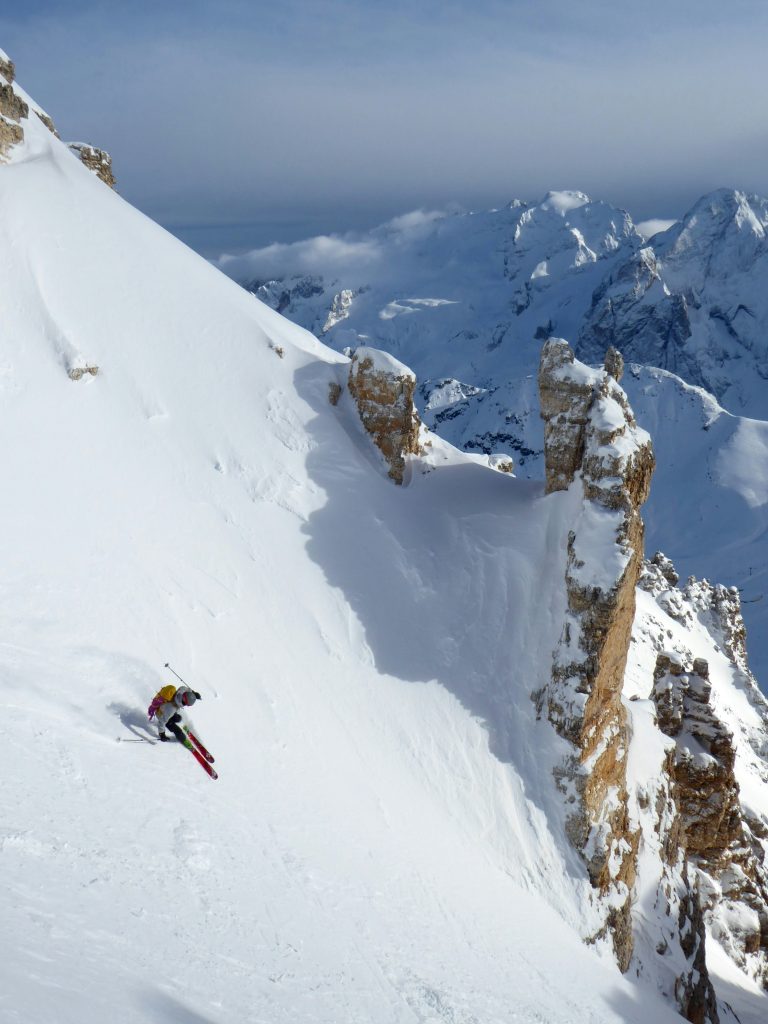
In 2026, visitors will have the opportunity to witness 195 Olympic competitions, including the debut of ski mountaineering — a demanding discipline that combines alpine ascent with exhilarating downhill skiing. Yet the region’s appeal extends far beyond the closing ceremonies. Cortina d’Ampezzo, along with 11 neighbouring towns, forms part of Dolomiti Superski — the largest interconnected ski area in the world — where a single pass unlocks access to 450 lifts across an extraordinary alpine playground.
When the snow melts, the Dolomites seamlessly transform into a summer sanctuary for outdoor exploration. The same lift network opens the door to more than 6,200 miles of signposted walking trails, 250 miles of mountain biking routes, and a wealth of alpine pursuits set against one of Europe’s most striking backdrops. Whether visited in winter or summer, the Dolomites offer a compelling blend of natural grandeur, adventure, and enduring allure — long after the world’s spotlight has moved on.
What to Do
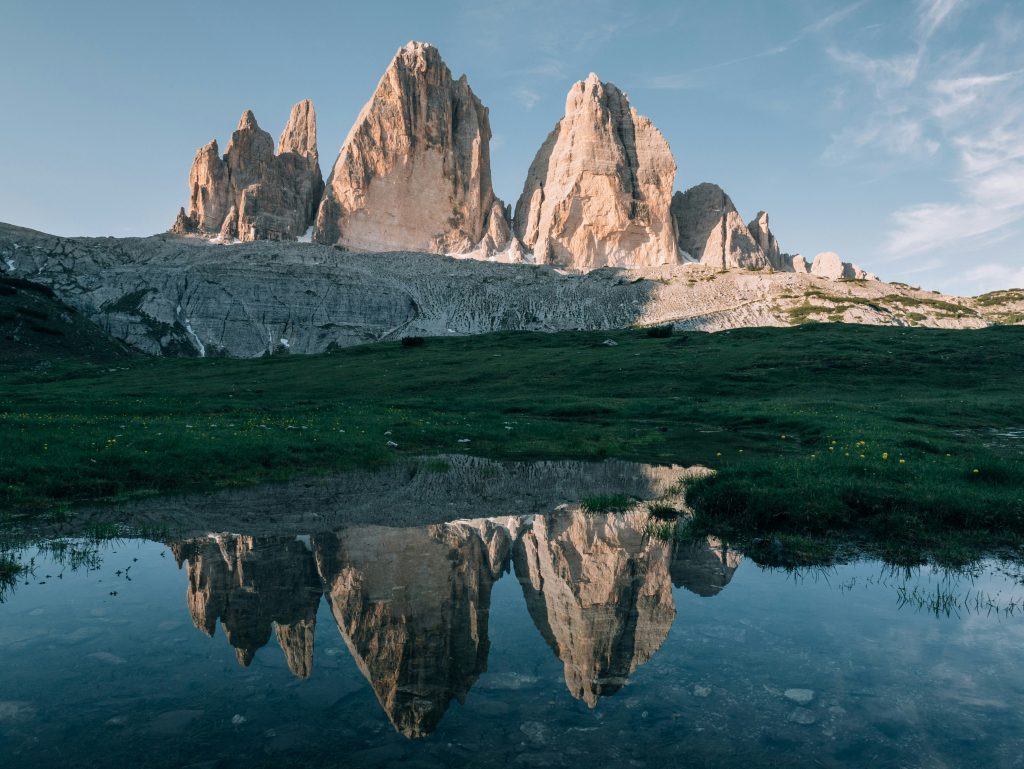
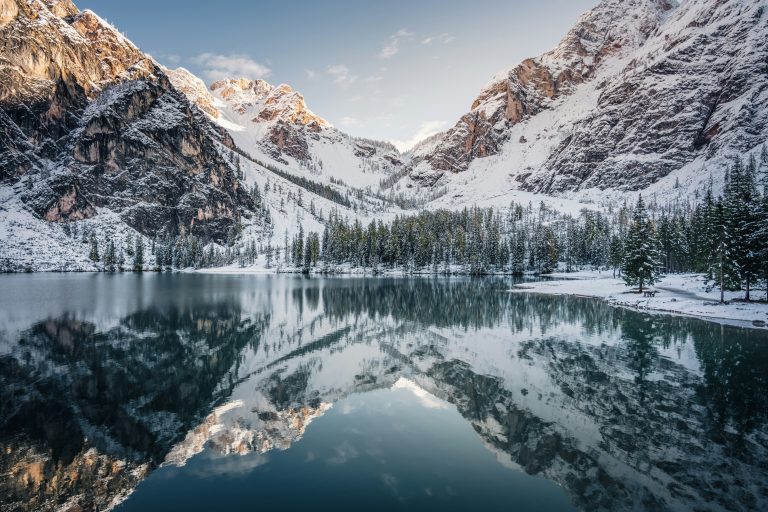
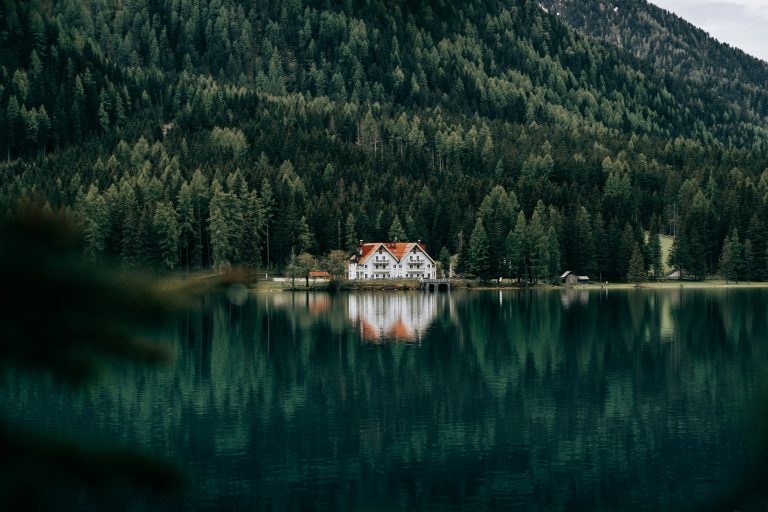
No matter the season or pace of travel, the Dolomites’ greatest allure lies in their extraordinary scenery. Towering limestone peaks, sculpted by time and light, create a landscape of rare drama and beauty. Iconic locations such as the Three Peaks of Lavaredo and the luminous, aquamarine waters of Lake Braies are understandably popular and can become busy during peak periods. For a more considered experience, discerning travellers may wish to explore lesser-known yet equally compelling alternatives — the soaring summits of Croda dei Toni, the striking Vajolet Towers, or the enchanting Lake Carezza offer the same sense of wonder with a quieter, more intimate atmosphere.
Those seeking a deeper understanding of alpine life will find it at the Messner Mountain Museum, a collection of six architecturally distinctive museums spread across South Tyrol. Founded by legendary mountaineer Reinhold Messner, the museums explore humanity’s enduring relationship with the mountains. Among the most remarkable is the Museum in the Clouds, dedicated to mountaineering and dramatically embedded into the summit of Kronplatz. Designed by Zaha Hadid, its futuristic structure appears carved into the mountain itself, with panoramic windows framing sweeping alpine views.
Beyond landscapes and architecture, the Dolomites are home to a living cultural heritage. The region is the heartland of the Ladin people, an ancient ethnolinguistic community with its own language and deeply rooted traditions. Visitors can explore this heritage at the Museum Ladin Ciastel de Tor in San Martino in Badia, or venture into the Val Badia valley to discover beautifully preserved Ladin villages. Here, experiences led by local families — from artisan cheese-making to traditional cooking classes — offer a rare and authentic insight into a way of life that has endured for centuries.
Where to Eat
Dining in the Dolomites is a reflection of its geography and heritage, where northeastern Italian influences meet Alpine traditions and Ladin culinary customs. The cuisine is comforting yet distinctive, shaped by mountain life and seasonal rhythms. Signature dishes include casunziei — delicate half-moon pasta parcels typically filled with beetroot, finished with melted butter and poppy seeds — and canederli, hearty bread dumplings enriched with cheese or speck, the region’s refined interpretation of the Austrian knödel.
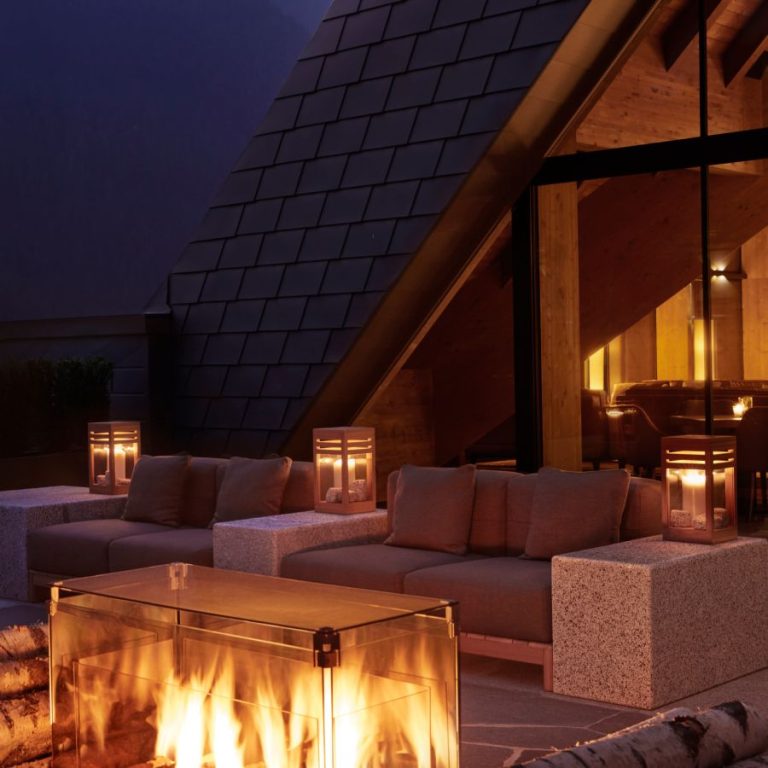
While these specialties can be found throughout the region, few experiences rival dining at a high-altitude mountain refuge. Set against sweeping alpine panoramas, these rustic chalets offer a uniquely atmospheric pause between walks or ski runs. Rather than planning around restaurants, the most rewarding approach is to shape the day’s itinerary and allow lunch to unfold organically along the way. Notable stops near Cortina include Rifugio Capanna Tondi, a family-run refuge with roots dating back to 1941, and Baita Resch, celebrated for its exceptional desserts crafted by its pastry-chef owner.
For those seeking a more elevated culinary experience, the Dolomites have quietly become one of Italy’s most compelling fine-dining regions. In Brunico, Atelier Moessmer made international headlines when it was awarded three Michelin stars just months after opening. Led by chef Norbert Niederkofler, the restaurant’s “cook the mountain” philosophy centres on hyper-local, seasonal ingredients — from spruce and elderflower to pristine Arctic char. Further south in Pinzolo, newly starred Grual offers an equally thoughtful interpretation of place, with “altimetric” menus designed to reflect the changing landscape — from valley-grown potatoes to pasture-raised produce — translating altitude into flavour with remarkable precision.
New Zealand Olympic Team – Milano Cortina 2026
- Alice Robinson – Alpine Skiing
- Ben Barclay – Freestyle Skiing
- Cam Melville Ives – Snowboard
- Fin Melville Ives – Freestyle Skiing
- Luca Harrington – Freestyle Skiing
- Luke Harrold – Freestyle Skiing
- Ruby Star Andrews – Freestyle Skiing
- Zoi Sadowski-Synnott – Snowboard
Credits – Olympic New Zealand