
The Travellers

Author name: Balarina Nicola

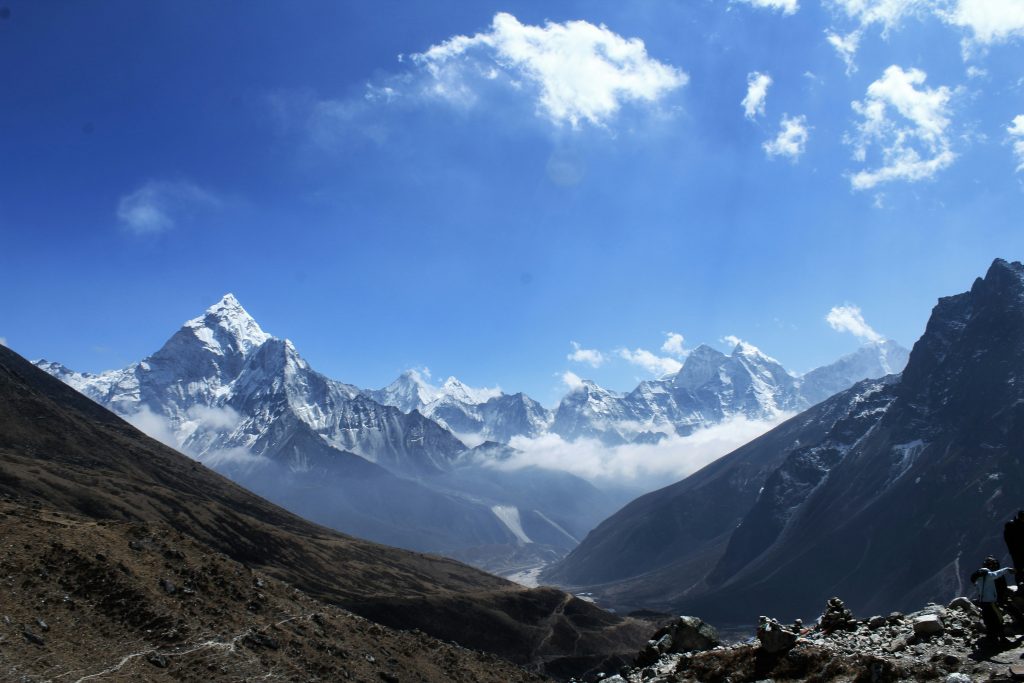
Snow-covered Himalayas in Nepal under a clear blue sky showcasing dramatic mountain peaks and natural beauty
Blog

Nepal – A Journey Through the Himalayas, Culture, and Timeless Adventure

Nepal – A Journey Through the Himalayas, Culture, and Timeless Adventure The Land of the Himalayas Nestled between India and China, the kingdom of Nepal is a destination where ancient traditions meet towering natural wonders. Home to the world’s highest peaks and some of the most spiritually rich cultures on earth, Nepal is not just a place you visit—it is a journey that transforms the way you see the world. From the snow-capped Himalayas to sacred temples echoing centuries of devotion, Nepal offers a rare balance of adventure, serenity, and cultural depth. Every step through this land feels like a passage through living history. Kathmandu – A Living Museum of Culture and Heritage The journey often begins in Kathmandu, a vibrant capital where chaos and spirituality exist side by side. Ancient temples rise above bustling streets, while prayer flags flutter over centuries-old courtyards.Within the Kathmandu Valley, UNESCO World Heritage Sites reveal Nepal’s deep spiritual identity. Sacred landmarks such as Swayambhunath (Monkey Temple), Boudhanath Stupa, and Pashupatinath Temple offer insight into a culture shaped by both Hinduism and Buddhism.Walking through Durbar Square feels like stepping back in time, where intricate wood carvings and royal palaces tell stories of dynasties long past. Spiritual Nepal – Faith, Rituals, and Timeless Traditions  Nepal is a land where spirituality is not confined to temples or sacred spaces—it flows seamlessly through everyday life. Deeply rooted in centuries of devotion, faith here is both personal and collective, shaping the rhythm of communities and the landscapes they inhabit.In the early hours of the morning, the first light touches ancient stupas as monks in maroon robes move in quiet rhythm, circling sacred monuments in meditative prayer. The soft turning of prayer wheels, etched with mantras, blends with the distant echo of temple bells, creating an atmosphere that feels almost timeless. Across cities and villages, pilgrimage sites stand as powerful symbols of devotion and harmony. In Kathmandu’s sacred courtyards and hillside shrines, Hindu and Buddhist traditions coexist in a rare and beautiful balance, reflecting Nepal’s unique spiritual identity.Along riverbanks, particularly at sacred sites, rituals unfold with quiet reverence. Offerings of marigold flowers, incense, and butter lamps are gently placed as prayers rise into the air. The flickering flames reflect on the water, symbolising purification, remembrance, and hope.What makes Nepal truly remarkable is not only its spiritual landmarks, but the way spirituality is woven into daily existence. From a farmer offering a morning prayer before tending the fields, to pilgrims walking barefoot toward distant shrines, faith is not an event—it is a way of life.In Nepal, spirituality is not something you visit. It is something you experience in every step, every sound, and every moment of stillness. Pokhara – The Jewel of the Himalayas A short journey from Kathmandu brings you to Pokhara, a serene lakeside city embraced by the Annapurna mountain range. Here, calm waters reflect snow-covered peaks, creating one of the most breathtaking landscapes in Asia.Pokhara is both peaceful and adventurous. Visitors can enjoy boat rides on Phewa Lake, explore hidden caves and waterfalls, or take to the skies with paragliding over the valley.As the gateway to major trekking routes, Pokhara is where adventure truly begins. The Himalayas – Adventure on a Global Scale For adventurers, few places on earth compare to the scale and beauty of the Himalayas. Stretching across Nepal’s northern frontier, these legendary peaks are home to some of the most iconic trekking routes in the world, drawing explorers, climbers, and dreamers from every corner of the globe.Journeys through the Himalayas lead to unforgettable destinations such as Everest Base Camp and the Annapurna Circuit, each offering a unique perspective of Nepal’s dramatic landscapes. Trails wind through ancient mountain villages, across swaying suspension bridges, and into dense alpine forests before opening into vast glacial valleys surrounded by towering snow-covered peaks. Yet, the experience goes far beyond physical adventure. Each step through the Himalayas becomes a personal journey—one of resilience, reflection, and connection with nature. Along the way, encounters with local communities reveal a way of life shaped by the mountains, where simplicity and strength go hand in hand.As dawn breaks over the peaks, the first light casts golden hues across the mountains, creating moments of quiet awe that stay with travellers long after the journey ends. In the Himalayas, adventure is not just about reaching a destination—it is about discovering something deeper along the way. Village Life – Authentic Encounters in the Mountains Beyond the cities and well-trodden trekking routes, Nepal reveals a quieter, more intimate side of its identity in the mountain villages scattered across its landscapes. These remote communities offer travellers a rare glimpse into a way of life that has remained largely unchanged for generations.Stone-built houses line narrow paths, while terraced fields carve patterns into the hillsides, reflecting both resilience and harmony with nature. Daily life unfolds against a backdrop of towering peaks, where farming, herding, and family life are deeply connected to the rhythms of the land.In regions surrounding Annapurna and beyond, traditional villages welcome visitors with genuine warmth and simplicity. Homestay experiences provide an opportunity to step inside this world—sharing home-cooked meals, learning local customs, and engaging in conversations that transcend language. Evenings are often spent around a shared table, where stories are exchanged over traditional dishes, and the sense of community becomes immediately tangible. Here, hospitality is not a service, but a deeply rooted cultural value passed down through generations.Life in these villages moves at a slower, more intentional pace. Days are guided by sunrise and sunset, by planting and harvest seasons, rather than by schedules or deadlines. It is in this simplicity that many travellers find a profound sense of connection—not only with the people they meet, but with the landscape itself.To experience village life in Nepal is to step away from the modern world and into something far more enduring, where authenticity, tradition, and human connection take centre stage. Wildlife & Nature – The Southern Plains of Nepal In striking contrast to the towering peaks of the Himalayas,
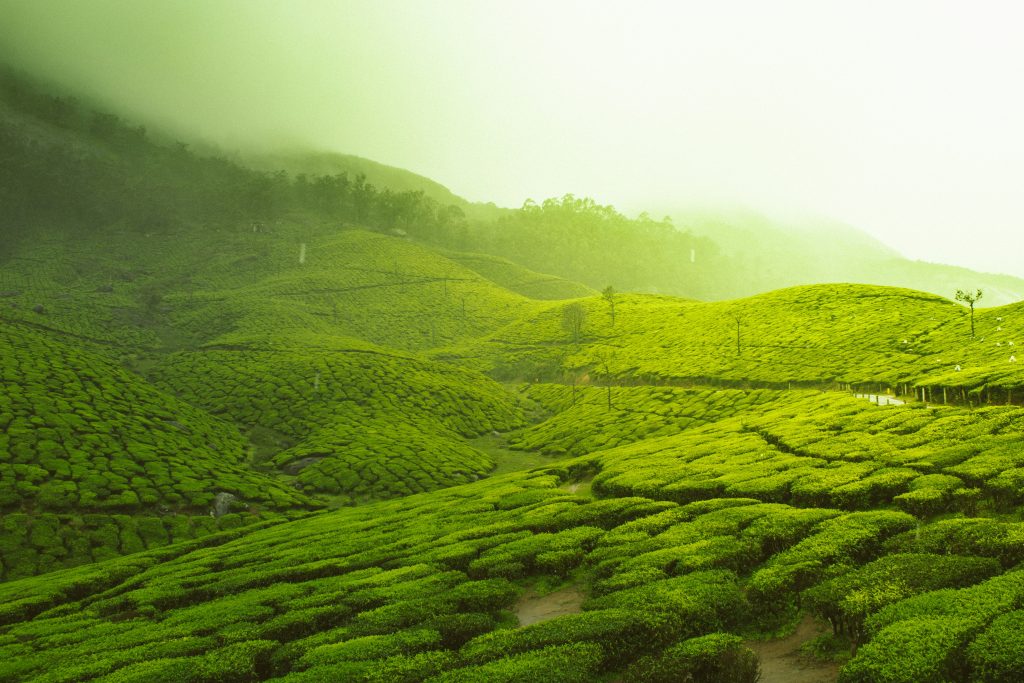
Sri Lanka luxury tea plantation with misty hills in Nuwara Eliya
Blog

Sri Lanka: A Journey Through History, Landscapes, and Timeless Culture

Sri Lanka: A Journey Through History, Landscapes, and Timeless Culture Discover Sri Lanka’s rich history, diverse landscapes, and refined travel experiences—from ancient kingdoms to misty highlands and pristine coastlines. An Island Shaped by History and Nature Set in the Indian Ocean, just off the southern coast of India, Sri Lanka is a destination where history, culture, and landscape are deeply intertwined. Despite its relatively small size, the island holds a remarkable concentration of UNESCO World Heritage Sites, ancient cities, and diverse ecosystems that have evolved over thousands of years. For centuries, Sri Lanka was a key hub along major maritime trade routes, attracting merchants from Arabia, China, and Europe. This long history of exchange has shaped a culture that is both deeply rooted and richly layered, where influences blend seamlessly while maintaining a strong national identity. Today, Sri Lanka offers travellers a rare opportunity to experience a destination where the past is not preserved behind glass, but continues to exist as part of everyday life. Ancient Kingdoms and Cultural Legacy           Sri Lanka’s cultural heart lies within what is often referred to as the “Cultural Triangle,” home to some of South Asia’s most significant archaeological sites. Among them, Sigiriya stands as one of the most extraordinary. Rising nearly 200 metres above the surrounding plains, this ancient rock fortress was built in the 5th century by King Kashyapa. Its advanced urban planning—including water gardens, frescoes, and mirrored walls—demonstrates a level of sophistication far ahead of its time. Further south, the city of Kandy remains a centre of spiritual importance. It is home to the Temple of the Tooth Relic, one of Buddhism’s most sacred sites, where daily rituals continue to draw both worshippers and visitors. These traditions are not staged for tourism—they are living practices that reflect the island’s enduring cultural identity. The Highlands: Landscapes Shaped by Colonial Legacy The central highlands of Sri Lanka present a striking contrast to the lowland plains. Here, the climate cools, and the terrain transforms into rolling hills covered in meticulously cultivated tea plantations.Tea was introduced during British colonial rule in the 19th century, and it remains one of the country’s most important exports. Regions such as Nuwara Eliya and Ella are defined by this legacy, where colonial-era bungalows, railway lines, and estates still shape the landscape. Beyond their economic significance, these highlands offer some of the island’s most visually captivating scenery. Mist moves slowly across valleys, revealing layered hills and terraced fields that stretch endlessly into the distance. For travellers, the experience is as much about atmosphere as it is about place—quiet, elevated, and deeply immersive. Wildlife and Biodiversity: A Natural Sanctuary Sri Lanka is recognized as one of the world’s biodiversity hotspots, with an extraordinary range of wildlife concentrated within a relatively small area.lNational parks such as Yala and Udawalawe provide important habitats for elephants, leopards, sloth bears, and a wide variety of bird species. The density of wildlife, combined with accessible park systems, makes Sri Lanka one of the most rewarding safari destinations outside of Africa. What sets these experiences apart is the diversity of ecosystems—dry forests, wetlands, and coastal lagoons—each supporting different species and behaviors. Safaris are not only about sightings, but about understanding the delicate balance of these environments and the conservation efforts that protect them. The Southern Coast: Trade, Colonial Influence, and Coastal Life Sri Lanka’s southern coastline tells a distinctly different story—one shaped not only by natural beauty, but by centuries of maritime trade, cultural exchange, and colonial ambition.Positioned along key Indian Ocean trade routes, this region was once a vital نقطة for merchants travelling between Asia, the Middle East, and Europe. Spices, gemstones, and textiles moved through these shores, attracting early Arab traders long before the arrival of European powers. The Portuguese were the first to establish a colonial presence in the 16th century, followed by the Dutch and later the British—each leaving behind architectural, cultural, and economic influences that continue to define the coastline today. Nowhere is this layered history more evident than in Galle Fort. Originally constructed by the Portuguese in 1588 and extensively fortified by the Dutch in the 17th century, the fort stands today as one of the best-preserved colonial-era fortifications in Asia and a designated UNESCO World Heritage Site.Encircled by thick ramparts that overlook the Indian Ocean, the fort encloses a network of narrow streets lined with colonial villas, churches, mosques, and administrative buildings. Over time, these structures have been carefully adapted into boutique hotels, galleries, and cafés, allowing the area to retain its historical integrity while evolving into a vibrant cultural hub. Walking through Galle Fort offers a rare experience—where centuries-old architecture is not only preserved, but actively lived in. Beyond Galle, the southern coastline unfolds into a series of diverse coastal landscapes, each with its own character and rhythm. From the lively shores of Mirissa—known for its seasonal whale watching and crescent-shaped beaches—to the quieter, more secluded stretches of Tangalle, the region offers a balance between activity and retreat.Fishing remains an integral part of daily life along the coast, most famously seen in the traditional stilt fishermen, a practice that has become an enduring symbol of Sri Lanka’s maritime heritage. Early mornings bring a sense of quiet industry, as boats return with their catch and local markets begin to stir. The waters off the southern coast are also among the best places in the world to observe blue whales and sperm whales in their natural habitat, particularly between November and April. These encounters add another layer of depth to the region, connecting travellers not only to history and culture, but to the vast marine ecosystems that surround the island.Despite its historical significance and natural richness, the southern coast maintains a distinctly unhurried pace. Days are shaped by the movement of the ocean, the warmth of the climate, and the gentle rhythm of coastal life. Palm-lined beaches stretch uninterrupted, sunsets unfold over the horizon, and time seems to slow—offering a sense of calm that contrasts beautifully with the cultural and historical